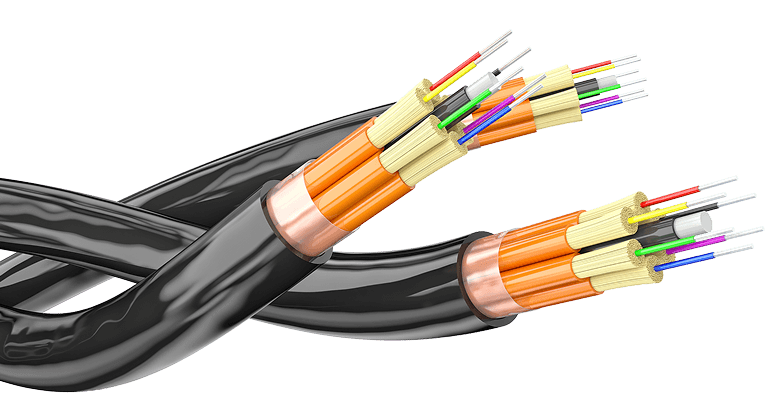
PVC Coated Conduit
Anamet Europe non-metallic PVC conduits are flexible cable-protection solutions made primarily from PVC or other polymeric materials. They are designed to protect electrical wires and cables from moisture, dust, abrasion, chemicals, and mechanical damage, while providing flexibility for easy routing and installation.
Key Highlights
- Non-metallic construction provides lightweight and flexible cable protection.
- Excellent resistance to moisture, corrosion, and many chemicals.
- Suitable for installations where metallic conduit is not preferred.
- Flexible design allows easy routing around bends and confined spaces.
- Helps protect cables against abrasion and external environmental exposure.
- Suitable for industrial, automation, electrical, and transportation applications.
- Available in different sizes and configurations to accommodate various cable bundles.
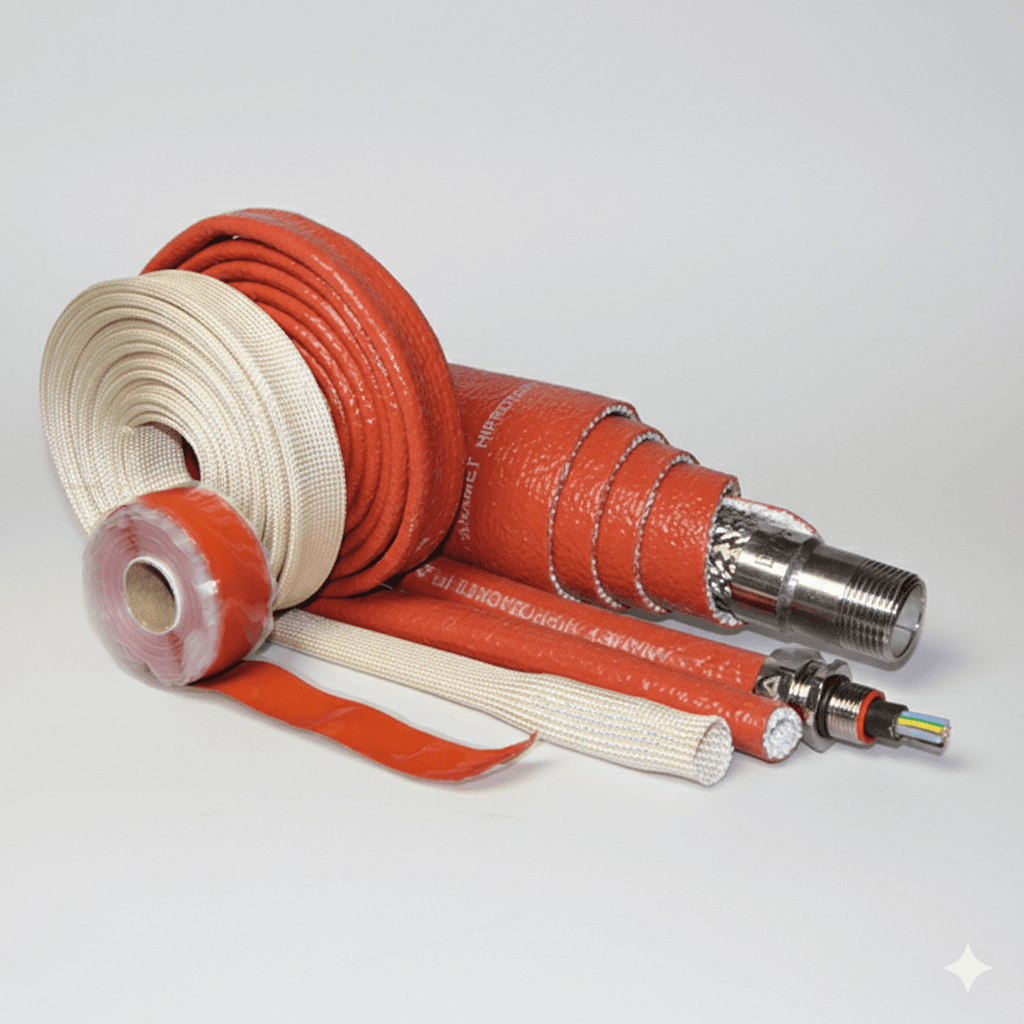
Anamet Europe's non-metallic PVC-coated conduit solutions provide a protective pathway around electrical cables and wires. Unlike metallic conduits, these solutions do not rely on a metal core, making them particularly useful where low weight, corrosion resistance, electrical isolation, and flexibility are important.
The conduit can be selected according to cable diameter, required flexibility, temperature range, environmental exposure, and mechanical-protection requirements. Compatible fittings can be used to create a secure connection between the conduit and electrical equipment or enclosures.
- Industrial Automation: Sensors, actuators, motors, and control wiring
- Electrical Equipment: Internal and external cable routing
- Control Panels: Protection of cables entering and leaving enclosures
- Robotics & Machinery: Flexible protection around moving equipment
- Transportation: Cable protection in vehicles and equipment
- HVAC & Building Equipment: Protection of electrical and control wiring
- Outdoor Equipment: Applications requiring resistance to moisture and environmental exposure
- Non-metallic construction: Eliminates concerns associated with metal corrosion and provides electrical isolation.
- PVC/polymer protection: Provides resistance to moisture, abrasion, and various environmental contaminants.
- Flexibility: Enables installation around curves and through restricted spaces.
- Lightweight: Lower weight can simplify handling and installation compared with metallic alternatives.
- Corrosion resistance: Particularly useful in humid or corrosive environments.
- Chemical resistance: Performance depends on the specific polymer and chemicals involved.
- Temperature performance: Must be selected according to the specified operating-temperature range of the particular conduit.
- Ingress protection: The final IP protection level depends on the complete conduit-and-fitting assembly and installation.
- Cable compatibility: Correct conduit internal diameter and bend radius should be selected based on the cable bundle and installation conditions.